The Iron Duke’s Line
The Duke of Wellington
The Iron Duke and the Heirs of Waterloo
The dukedom of Wellington is, more than almost any other British title, the creation of a single man. Arthur Wellesley earned it in the field: through the grinding years of the Peninsular War, through the carnage of Waterloo, through a military record that left Napoleon with no heir in Europe. The honours that followed came from half a dozen nations. The houses came from Parliament. What came from Wellesley himself was the title’s meaning, and his descendants carry it still.
Arthur Wellesley, the Iron Duke
Born at Dublin in 1769 into an Anglo-Irish family of middling fortune, Arthur Wellesley first made his name in India before taking command of the allied armies in the Iberian Peninsula, where six years of hard campaigning drove the French back across the Pyrenees. Created Duke of Wellington in 1814, he reached his culmination the following year at Waterloo, where, fighting alongside the Prussians, he ended the Napoleonic era in a single afternoon. He twice served as Prime Minister. He remained, until his death in 1852, the most celebrated man in Britain: austere in manner, blunt in speech and treated, in his last years, with something approaching veneration.
A title honoured across nations
The nations Wellington had saved did not forget him. To his British dukedom were added the titles of Prince of Waterloo in the Netherlands and Belgium, Duke of Ciudad Rodrigo in Spain, and Duke of Victoria in Portugal: a scatter of dignities that charts his campaigns across the map of Europe. No other British subject has held so many foreign peerages. The family motto, Virtutis Fortuna Comes, "Fortune is the companion of valour," was chosen by a man who believed in both.
Stratfield Saye and Apsley House
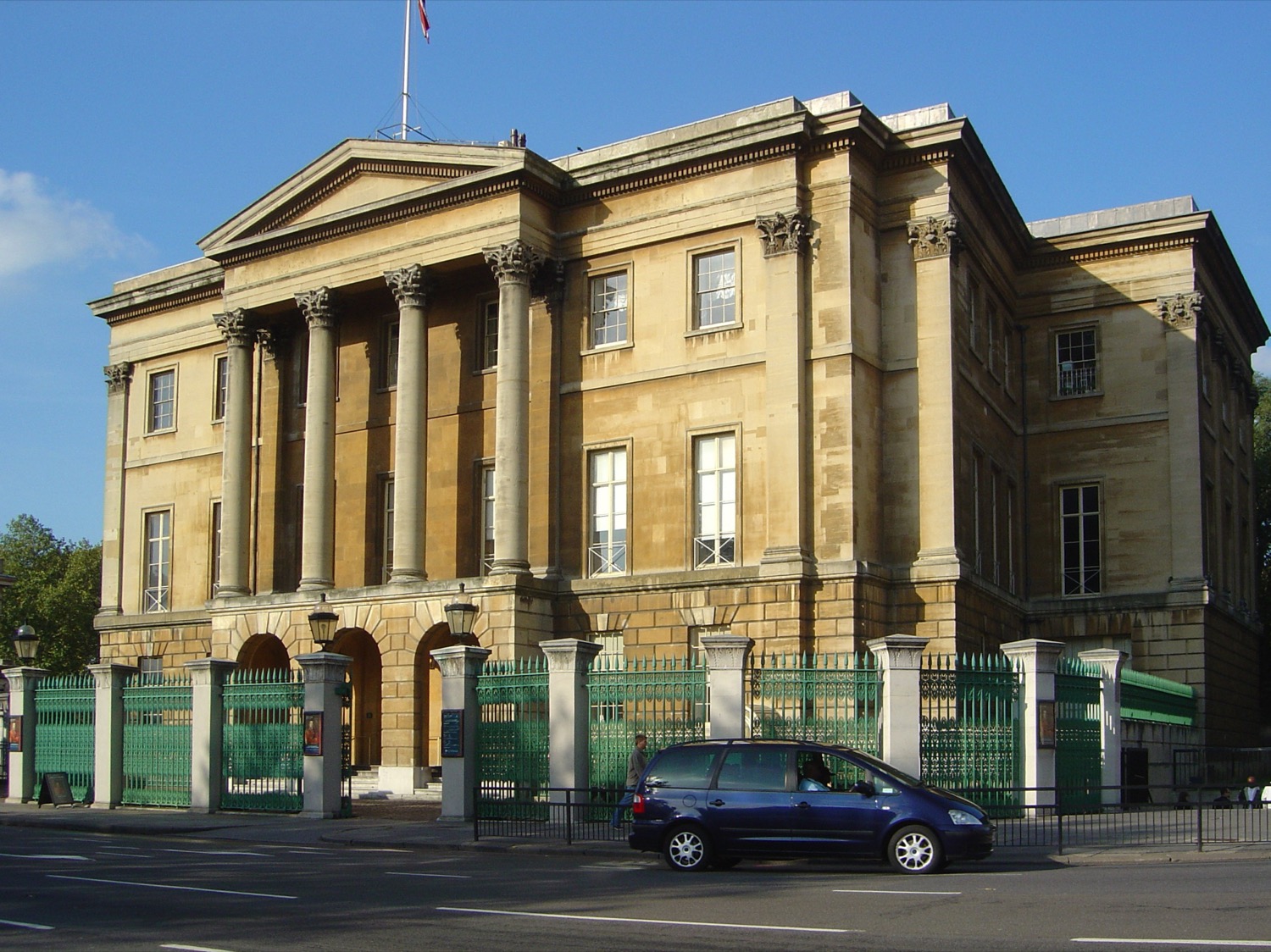
Parliament matched the duke’s titles with houses. Stratfield Saye in Hampshire became the family’s country seat and remains so today: a substantial house rather than a grand one, chosen by Wellington for its practical qualities over its show. In London he held Apsley House at Hyde Park Corner, so commanding at the entrance to the capital that it was known simply as "Number One, London." Apsley House is now a museum devoted to Wellington’s life, letters and trophies, while Stratfield Saye remains in family hands, opening to the public on selected days each year.
The Wellesley family and its Irish roots
The Wellesleys came out of the Anglo-Irish gentry, with ancestral lands at Dangan Castle in County Meath and a cluster of Irish titles, among them the Earldom of Mornington, that the family carries still. From this provincial stock came not only the great duke but his elder brother Richard, Marquess Wellesley, who governed India as Governor-General and shaped the subcontinent’s political map. Between them, two sons of the Irish gentry reached the commanding heights of two empires.
The modern era: Charles Wellesley, 9th Duke
The present head of the house is Charles Wellesley, 9th Duke of Wellington, who succeeded in 2014 and the following year presided over the bicentenary commemorations of Waterloo in Belgium and at Apsley House. He holds the British and continental titles alike. His heir carries, in the old fashion, the courtesy title of Earl of Mornington. The line of the Iron Duke continues into the twenty-first century, still seated at Stratfield Saye, still keeper of "Number One, London."
Dukes of Wellington — Succession
Wellesley line
- 1st Arthur Wellesley1814–1852; the Iron Duke; victor of Waterloo, twice Prime Minister
- 2nd Arthur Richard Wellesley1852–1884
- 3rd Henry Wellesley1884–1900
- 4th Arthur Charles Wellesley1900–1934
- 5th Arthur Charles Wellesley1934–1941
- 6th Henry Valerian George Wellesley1941–1943; died on active service in the Second World War
- 7th Gerald Wellesley1943–1972; architect and Surveyor of the King’s Works of Art
- 8th Arthur Valerian Wellesley1972–2014
- 9th Arthur Charles Valerian WellesleyThe present Duke, since 2014; presided over the Waterloo bicentenary commemorations in 2015
The companion of valour
From a battlefield in Belgium to the grandest address in London, the dukes of Wellington carry a dignity earned rather than inherited, bought with years of campaigning and sealed in a single afternoon. Theirs is a title that belongs as much to Europe as to Britain: the Spanish and Portuguese and Dutch honours say so plainly. In stone and in name, the family remains a reminder of the day the Napoleonic age was brought to its close.