Victors of Blenheim
The Duke of Marlborough
From Blenheim’s Triumph to a Palace of Glory
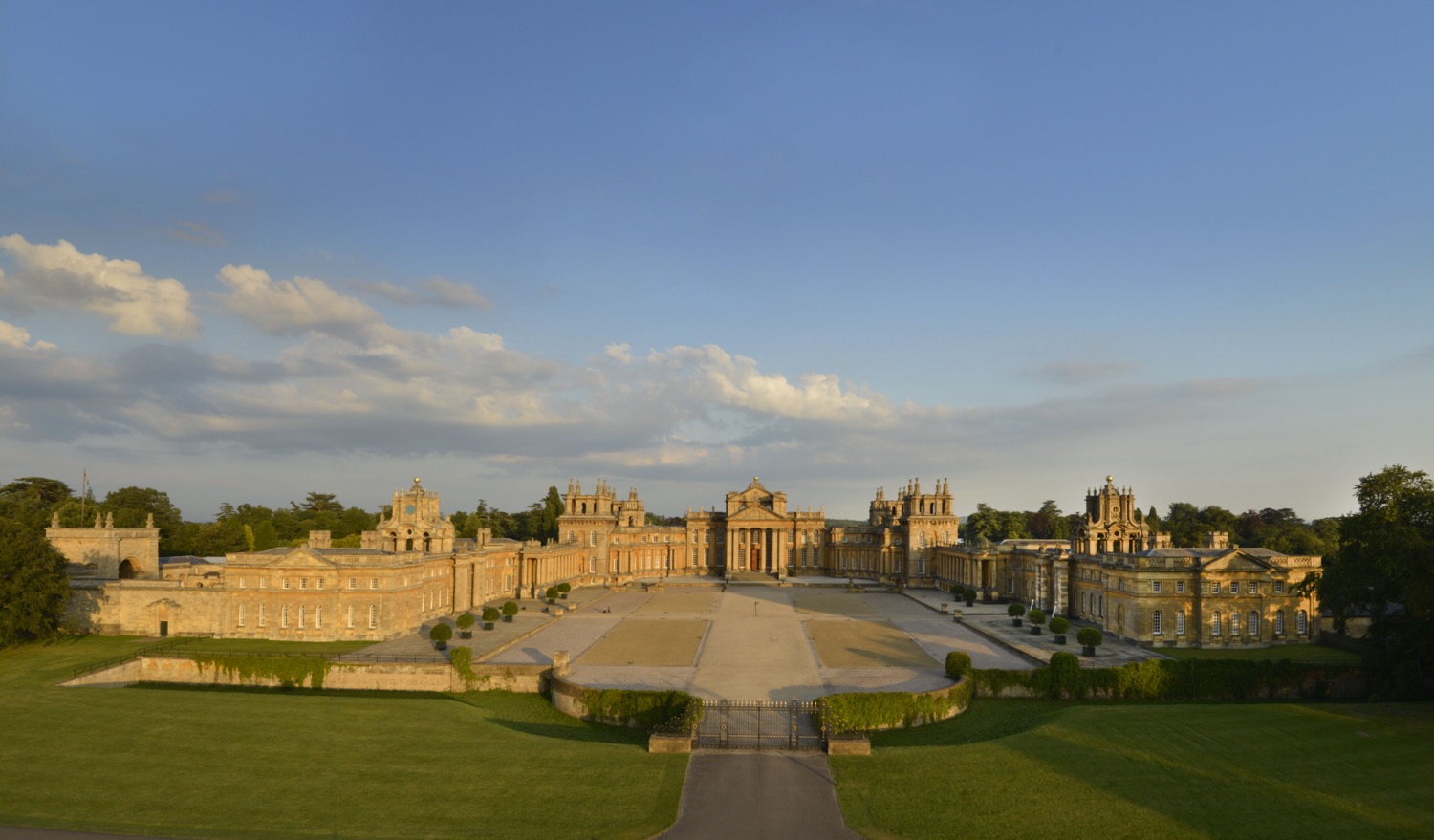
The dukedom of Marlborough owes its existence to a single afternoon in Bavaria. On 13 August 1704, John Churchill routed the armies of Louis XIV at Blenheim and, in doing so, shifted the balance of power across Europe. A grateful Parliament gave him a palace; a grateful queen gave him a title. Two centuries later, that same palace gave Britain Winston Churchill. Few noble houses trace so direct a line between a soldier’s triumph and a nation’s survival.
John Churchill, the soldier who never lost a battle
John Churchill came from modest gentry stock and rose through skill, nerve and acute political judgement to command the allied armies of Europe. Created Duke of Marlborough in 1702, he prosecuted the War of the Spanish Succession through four victories that remain among the most complete in British military history: Blenheim, Ramillies, Oudenarde and Malplaquet. He is said never to have fought a battle he did not win nor besieged a town he did not take. That record, unmatched in his age, made Marlborough a name synonymous with command itself.
Sarah and the favour of a queen
Behind the duke stood his formidable wife, Sarah Jennings, whose intimate friendship with Queen Anne was for many years the engine of the family’s influence at court. When that friendship collapsed in jealousy and political rancour, it cost the Churchills everything, and the duke was stripped of his commands. Sarah’s will, however, was as unyielding as her husband’s strategy: she ensured that the great building project at Woodstock was carried through to completion, whatever it cost in money or in argument with the architect.
Blenheim Palace
Blenheim Palace at Woodstock in Oxfordshire was the gift of Queen Anne and a grateful Parliament, named for the battle and built as its memorial. Sir John Vanbrugh designed it in the most theatrical baroque manner then available, and the result is the only non-royal country house in England to carry the title of palace, now a UNESCO World Heritage Site. Vast, ceremonial and entirely without apology, Blenheim is less a house than a declaration: the permanent record in stone and gilded ceiling of a morning’s work in Bavaria in 1704.
The Spencer-Churchills and a famous son
Through marriage the dukedom passed to the Spencer family, whose members thereafter carried the hyphenated name Spencer-Churchill. It was at Blenheim, in November 1874, that the house produced its most celebrated son: Winston Churchill, grandson of the 7th Duke, born in one of the palace’s ground-floor rooms and christened in its chapel. The palace raised to the memory of one defender of the realm had, in the fullness of time, supplied another.
The modern era
The title today rests with Charles James Spencer-Churchill, 12th Duke of Marlborough, who succeeded in 2014. Blenheim itself is held in trust by the Blenheim Palace Heritage Foundation, an independent body of trustees charged with preserving the house, its collections and its grounds for public access and for those who will inherit it. The palace Vanbrugh designed as an act of national gratitude endures, three centuries on, as one of the commanding sights of the English landscape.
Dukes of Marlborough — Succession
Dukedom created 1702 for John Churchill; passed through the Spencer family from the 3rd Duke.
Churchill line
- 1st John Churchill1702–1722; victor of Blenheim, Ramillies, Oudenarde and Malplaquet
- 2nd Henrietta Godolphin1722–1733; daughter of the 1st Duke; held the title as Duchess of Marlborough in her own right
Spencer line
- 3rd Charles Spencer1733–1758; nephew of the 2nd Duchess; the title passed to the Spencer family
- 4th George Spencer1758–1817
- 5th George Spencer-Churchill1817–1840; family assumed the additional name Churchill by royal licence
- 6th George Spencer-Churchill1840–1857
- 7th John Spencer-Churchill1857–1883; grandfather of Sir Winston Churchill
- 8th George Spencer-Churchill1883–1892
- 9th Charles Spencer-Churchill1892–1934
- 10th John Spencer-Churchill1934–1972
- 11th John Spencer-Churchill1972–2014
- 12th Charles James Spencer-ChurchillThe present Duke, since 2014
A palace and a legacy
From a soldier’s victories to a statesman’s birth, the Spencer-Churchills have given Britain two of its most celebrated figures and one of its most extraordinary buildings. Blenheim remains their gift to the nation: a place where the military triumphs of 1704 and the political resolve of 1940 meet, improbably and fittingly, beneath the same painted ceilings.