Premier Peers of Ireland
The Duke of Leinster
The Geraldines, Premier Peers of Ireland
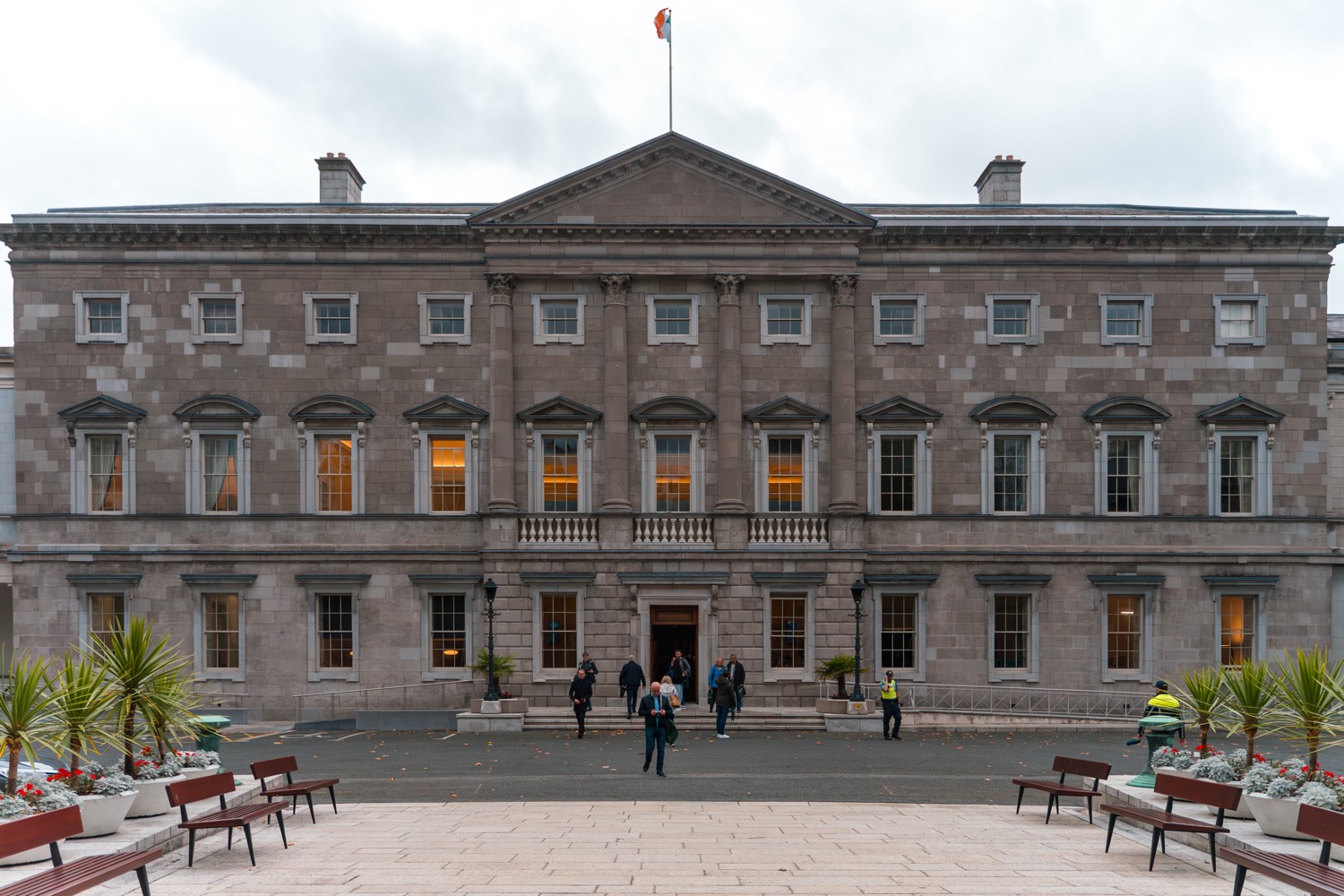
No family has pressed itself more deeply into Irish history than the FitzGeralds: the Geraldines, premier peers of Ireland and, for a time, very nearly its uncrowned kings. From a Cambro-Norman knight who crossed the sea in the twelfth century to the patriot who died for Ireland's freedom in the eighteenth, theirs is a story of ambition, rebellion, splendour and ruin played out across eight centuries on the same island.
The coming of the Geraldines
The dynasty traces to Maurice FitzGerald, a Cambro-Norman lord who came to Ireland in the wake of the invasion of 1169 and was granted lands that would become the family's heartland. His descendants put down deep roots in Kildare, and in 1316 were created earls of Kildare. Over the generations the Geraldines did what few conquerors managed: they became, in the old phrase, "more Irish than the Irish themselves," embracing the language, law and culture of the land they had come to rule.
The uncrowned kings of Ireland
By the late fifteenth century the earls of Kildare had grown powerful enough to govern Ireland in all but name. Gerald FitzGerald, the "Great Earl," served as Lord Deputy and wielded such authority that, when enemies warned King Henry VII that all Ireland could not govern the earl, the king is said to have replied that then the earl should govern all Ireland. For a brief, brilliant period, the Geraldines stood at the very summit of Irish power.
Silken Thomas and the great rebellion
That ascendancy could not last. In 1534 the young Thomas FitzGerald, "Silken Thomas," so called for the silk fringes his followers wore, rose in open rebellion against the Crown. The rising was crushed, and in 1537 Thomas and five of his uncles were executed; the family was attainted and its honours forfeit. Yet the line was not extinguished: a surviving half-brother was restored as earl of Kildare, and the Geraldines, true to form, rose once more.
Carton, Maynooth and Leinster House
The family's fortunes reached their height in the eighteenth century. Created Duke of Leinster in 1766, James FitzGerald presided over a magnificent estate centred on Carton House near Maynooth in County Kildare, with Maynooth Castle and Kilkea Castle among their holdings. In Dublin the family built a grand townhouse, Leinster House, so fashionable that it set the pattern for the city's south side, and whose design is said to have partly inspired the White House in Washington. Today Leinster House is the seat of the Oireachtas, the parliament of the Irish state.
Lord Edward FitzGerald and 1798
The Geraldine spirit of resistance flared one last time in Lord Edward FitzGerald, son of the 1st Duke, who became a leading figure in the United Irishmen and the Rising of 1798. Inspired by the French Revolution, he gave his life for Irish independence, dying of his wounds in a Dublin prison. In him the family's long entanglement with the fate of Ireland found its most tragic and most remembered expression.
The modern era
The grandeur did not hold. By the early twentieth century the dukes of Leinster had lost their lands and wealth, Carton was sold, and the dukedom, though still the premier dukedom of Ireland, carries no territorial estate today. The title is held by Maurice FitzGerald, 9th Duke of Leinster, who keeps alive a name that has run through Irish history since the age of the Normans.
Dukes of Leinster — Succession
The present dukedom was created in the Peerage of Ireland on 26 November 1766; it is the premier dukedom of Ireland.
Dukes of Leinster (second creation, 1766)
- 1st James FitzGerald1766–1773; formerly 1st Marquess of Kildare; built Leinster House, Dublin
- 2nd William Robert FitzGerald1773–1804; son of the 1st Duke; supported Act of Union
- 3rd Augustus Frederick FitzGerald1804–1874; held the title for seventy years; longest-tenured holder
- 4th Charles William FitzGerald1874–1887; presided over the family's declining fortunes
- 5th Gerald FitzGerald1887–1893; briefly held the dukedom
- 6th Maurice FitzGerald1893–1922; forced to sell Carton House; title separated from ancestral estates
- 7th Edward FitzGerald1922–1976; long tenure through the establishment of the Irish state
- 8th Gerald FitzGerald1976–2004
- 9th Maurice FitzGerald2004–present; born 1948; premier peer of Ireland
Premier peers of Ireland
From Norman conquerors to Irish patriots, the FitzGeralds have been, by turns, the makers and the martyrs of their adopted land. Their houses have passed to other hands and their acres are gone, but their place in the Irish story is unassailable: the Geraldines, premier peers of Ireland, who came within reach of its kingship.