A Scottish Dukedom
The Duke of Fife
Echoes of Macduff’s Legacy
Spanning centuries of Scottish history, the story of the Dukes of Fife intertwines legend and lineage, tracing back to the medieval hero Macduff, the Thane of Fife. Immortalised in Shakespeare’s Macbeth, Macduff’s historical role extends far beyond literature, reflecting Scotland’s shifting political and cultural landscapes. This tale of ancestral valour finds its modern embodiment in the title of Duke of Fife, one of the United Kingdom’s most distinguished yet complex noble lineages.
The Heroic Beginnings: Macduff, Thane of Fife
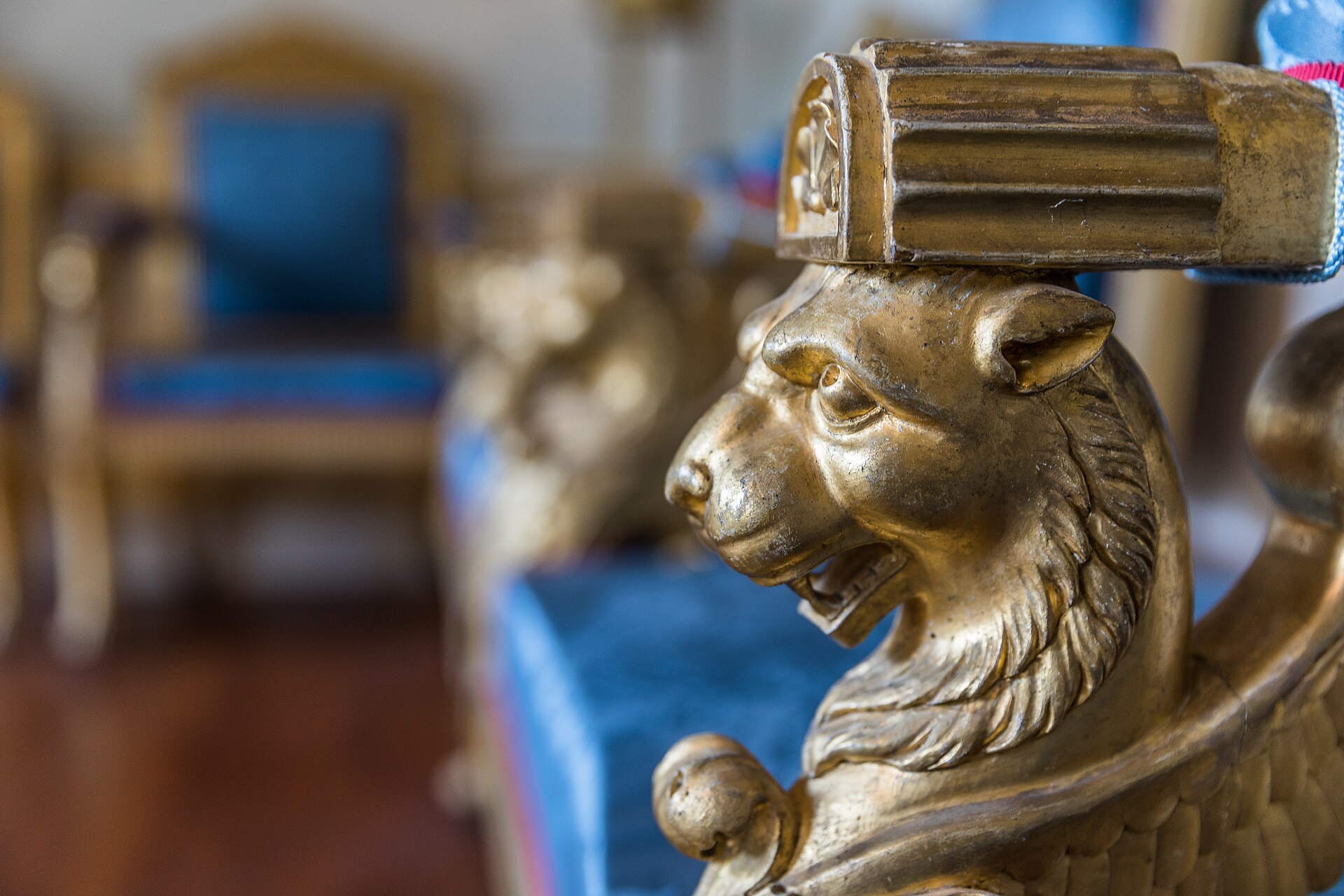
Macduff’s historic narrative begins in the 11th century, when he emerged as a pivotal figure in the overthrow of Macbeth, the tyrant king, helping restore Malcolm III to the throne. His loyalty to the crown solidified the prominence of Clan MacDuff, a family of royal descent tied to King Dubh of Scotland. The MacDuffs became rulers of Fife, bearing the ceremonial honour of presenting the crown at royal coronations. Their coat of arms, a red rampant lion on a gold background, echoes Scotland’s own royal emblem.
Macduff’s Castles and Heritage
Though little remains of their early strongholds, two landmarks stand as testament: the Cross of Macduff and Macduff’s Castle. The former served as a site of refuge for clan members; the latter, a 16th-century reconstruction of their medieval fortress, recalls their once-dominant role in the eastern lowlands. These relics are quiet witnesses to the clan’s power during Scotland’s formative years.
The Duff Family Revival
Centuries after the decline of Clan MacDuff’s direct power, a new chapter began with the Duff family. William Duff, a wealthy merchant from Banffshire, laid claim to the dormant Earldom of Fife in 1759, aligning his lineage with the MacDuff legacy. As the first Earl Fife, his title reflected the red lion crest of the ancient clan. Duff’s fortunes, rooted in trade and estate management, enabled his family to secure influence in both Scottish society and British politics.
Duff’s son James expanded their prominence, becoming a British peer and commissioning Duff House, a grand architectural marvel designed by William Adam. Duff House, now a cultural site, embodies the family’s transformation from merchants to nobility.
A Royal Connection: The Dukedom of Fife
The title Duke of Fife was created in 1889 for Alexander Duff, the 6th Earl Fife, in recognition of his marriage to Princess Louise, daughter of King Edward VII. This union marked the elevation of the Duffs to a royal tier of nobility. Despite the prestige, the line of succession proved tumultuous, passing through daughters and later to a different branch of the family: the Carnegies, who hold the title today.
The Dukes of Fife represent a rare blend of ancient lineage and modern adaptability. Their history reflects Scotland’s evolving relationship with its aristocracy, where noble titles serve as both symbols of continuity and reminders of the past.
Dukes of Fife, Succession
The dignity descends through three phases: the Duff merchant-earls who claimed the dormant Earldom of Fife from 1759, the first creation of the dukedom in 1889 (extinct 1912), and the second creation of 1900 which passes through the female line to the Carnegie family.
Earls Fife (Duff family, 1759)
- 1st William Duff1st Earl Fife; Banffshire merchant and landowner, created 1759, d. 1763.
- 2nd James Duff2nd Earl Fife; expanded family estates, succ. 1763, d. 1809.
- 3rd Alexander Duff3rd Earl Fife; succ. 1809, d. 1811.
- 4th James Duff4th Earl Fife; succ. 1811, d. 1857.
- 5th James Duff5th Earl Fife; succ. 1857, d. 1879.
- 6th Alexander Duff6th Earl Fife, later 1st Duke of Fife; 1849–1912; created Duke 1889 on marriage to Princess Louise of Wales.
Dukes of Fife, 1st creation (1889)
- 1st Alexander William George Duff1st Duke of Fife, 6th Earl Fife; created 29 July 1889 by Queen Victoria; married Princess Louise, daughter of King Edward VII; d. 1912; title became extinct on his death.
Dukes of Fife, 2nd creation (1900)
- 1st Alexander William George Duff1st Duke of Fife (2nd creation, 1900); same person as above; 1849–1912; re-creation allowed succession through daughters.
- 2nd Princess Alexandra2nd Duchess of Fife; daughter of the 1st Duke; married Prince Arthur of Connaught; 1891–1959; succ. 1912.
- 3rd James Carnegie3rd Duke of Fife; nephew of the 2nd Duchess, also 11th Earl of Southesk; 1929–2015; succ. 1959.
- 4th David CarnegiePresent holder; 4th Duke of Fife, 12th Earl of Southesk; b. 1961; succ. 2015.
Heirs to Scotland’s Legacy
From Macduff’s heroic exploits to the stately presence of Duff House, the story of the Dukes of Fife mirrors Scotland’s journey through history. Rooted in the legends of the Thane of Fife and revitalised by the Duffs’ ambition, this lineage offers a fascinating glimpse into the endurance of aristocratic traditions in a changing world. As modern custodians of this storied title, the Carnegies carry forward a legacy that bridges Scotland’s medieval past with its contemporary nobility.